How to Confirm Industrial Valve End Connections: Flange, Threaded, and Welded Inquiry Checklist
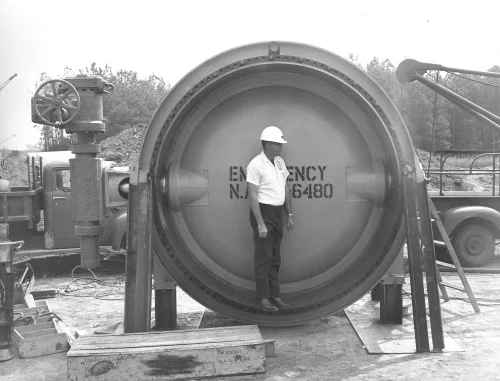
Importance of End Connection Types for Industrial Pipeline Valves
In industrial fluid control systems, industrial pipeline valves serve as critical equipment for pipeline isolation and flow control. Their end connection type determines the interface sealing, structural strength, and disassembly difficulty during later maintenance. An incorrect connection selection may not only lead to medium leakage and pressure loss, but also increase site installation costs and potential safety hazards. Therefore, during technical selection and procurement inquiries, accurately confirming the end connection type is an essential prerequisite for ensuring long-term stable operation of the equipment.
Technical Characteristics and Classifications of Common Connection Types
Flanged Connection: Verify connection standards and versions, pressure ratings, sealing face types, hole spacing, number of holes, and face-to-face dimensions. Appearance or identical nominal diameter alone cannot guarantee interchangeability of both ends. Pressure-bearing capacity should be verified based on material, temperature, and manufacturer ratings. Threaded Connection: Simultaneously confirm nominal size, thread form, pitch, taper, and internal/external threads. Standards like NPT and BSP cannot be intermixed; if labeling is unclear, request drawings or supplier identification rather than relying solely on thread engagement for compatibility. Welded Connection: Distinguish between butt welding and socket welding, and verify pipe outer diameter, wall thickness, bevel or socket dimensions, and materials. The connection method alone does not guarantee zero leakage; welding and inspection requirements must be confirmed by qualified personnel according to project specifications. Wafer and Lug Connections: Commonly found in certain butterfly valve structures; matching flanges, bolt configurations, and installation space should be verified. Whether end-of-line service or allowable differential pressure is permitted must be checked against model documentation rather than inferred from appearance.
How to Confirm Connection Types Based on Actual Operating Conditions
First collect information on the medium, design pressure and temperature, piping materials, interface drawings, and maintenance conditions, then have project engineers and suppliers confirm the connection type. Do not apply a single connection type based solely on size or pressure level. For corrosive or hazardous media, provide known compositions and operating conditions, and verify the valve body, seals, and connection scheme against project specifications; avoid substituting explicit standards and applicable conditions with generic terms like "high grade". Simultaneously inspect operating space for valves and actuators, maintenance disassembly space, and piping support conditions. When retrofitting existing units, retain original interface dimensions and nameplate data, mark unconfirmed information as pending verification, and do not fill in guesses.
Procurement Inquiry and Selection Verification Checklist
- Confirm pipe nominal diameter (DN) and pipe wall thickness/outer diameter specifications
- Confirm design pressure, design temperature, and PN or Class rating determined by applicable standards
- Confirm flange connection standards (such as GB/T, ANSI/ASME, DIN, JIS, etc.) and sealing face types (RF raised face, FF flat face, RTJ ring joint, etc.)
- Clarify thread forms and standards (NPT, G thread, R thread, etc.) and male/female thread requirements for threaded connections
- Confirm valve installation space constraints and bolt/nut material requirements
- Determine whether special anti-corrosion treatments or matching gaskets are required based on specific media and operating conditions
Recommendations for Inquiry Alignment and Technical Verification
When compiling inquiry lists, it is recommended to provide the valve supplier with complete data on field piping material, connection standards, and operating conditions. Since minor variations may exist among manufacturers regarding valve face-to-face dimensions, flange thickness, or thread depth, specific valve body dimensional parameters, matching standards, and delivery schedules should be based on official technical drawings and final confirmation letters issued by the supplier. For complex non-standard piping or special media conditions, interface applicability should be confirmed in advance with the supplier's technical team to ensure the procured equipment accurately matches site piping.
Prepare an enquiry