Preparation Before Hydraulic Equipment Repair: How to Efficiently Organize Fault Symptoms and Maintenance History
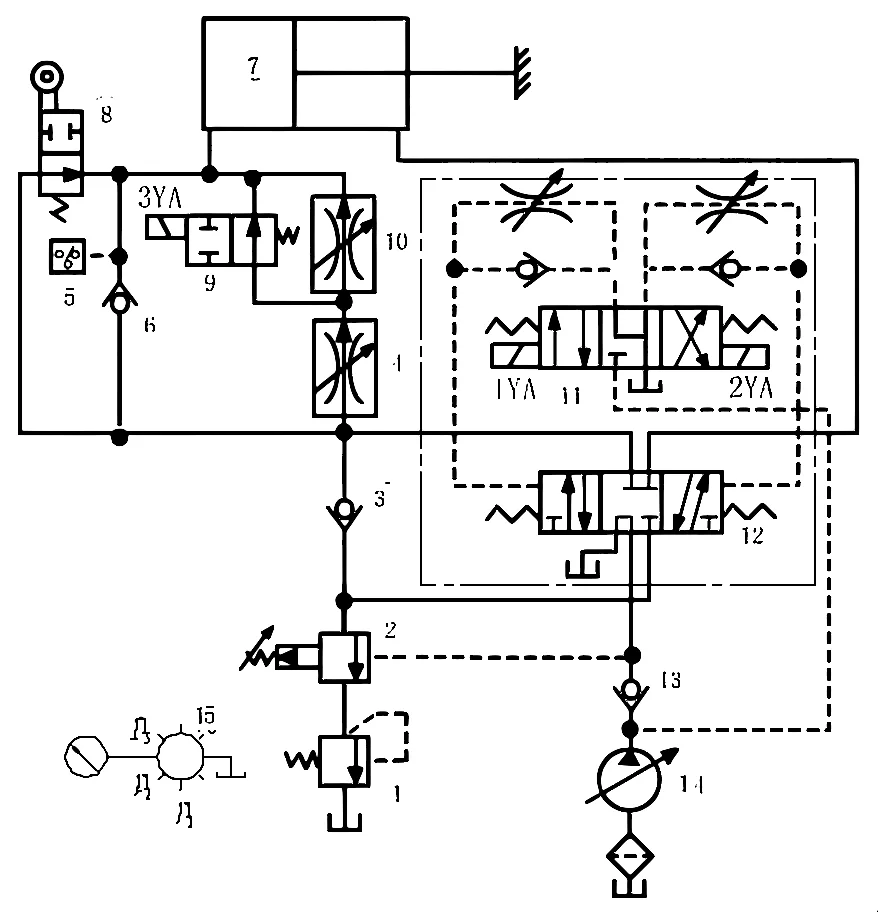
In daily factory operations, when hydraulic systems experience failures such as slow movement, insufficient pressure, excessive oil temperature, or abnormal noise, many field personnel tend to blindly disassemble components or directly seek help from service providers, ignoring a crucial step before repair—organizing fault information. A detailed and objective fault record can help technicians quickly narrow down the troubleshooting scope, shorten downtime, and avoid unnecessary part replacements.
Accurately Record On-Site Symptoms When Faults Occur
When organizing fault symptoms, vague expressions such as "the equipment is broken" or "the pressure is bad" should be avoided, and one needs to start from two dimensions: dynamic operating status and static observation. The first is changes in operating parameters, including working pressure, flow rate, and the speed of actuators (such as hydraulic cylinders or hydraulic motors). The second is the location of abnormal sound and vibration; for example, abnormal noise caused by cavitation is usually related to blockage of the pump suction port, while high-frequency squealing may stem from relief valve chatter. In addition, oil temperature trends and specific leakage locations must also be recorded.
When recording fault symptoms, field personnel are advised to inspect and check item by item according to the following checklist: – Time of occurrence and operating conditions: Did the fault occur suddenly or evolve gradually? Did it appear during cold start, or after working continuously for several hours? – Action characteristics: Which movements are normal, and which are obstructed? Is there crawling, shaking, or reversing impact? – Instrument readings: Differences between real-time values and standard values on the main system pressure gauge, pump outlet pressure gauge, and circuit back-pressure gauge. – Hydraulic oil condition: Whether the oil level is normal, and whether foaming, discoloration, emulsification, or odor is present. – External environment: Operating ambient temperature, load conditions, and whether there have been recent changes in operating conditions.
Retrieve and Review Historical Maintenance and Component Replacement Records
In addition to current fault symptoms, the "medical history" of hydraulic equipment often contains crucial clues. Before requesting hydraulic equipment repair, the equipment history file should be retrieved to review recent maintenance and repair logs. Focus on hydraulic oil replacement cycles, filter cleaning or replacement records, oil sample test reports, etc. At the same time, confirm whether hydraulic hoses, valve spools, or pump bodies have been replaced recently. If a fault occurs right after maintenance, priority should be given to checking whether the specifications of newly installed components match, whether pipe joints are tight, and whether system oil filling and air bleeding were thorough.
Summarize Equipment Nameplates and Consultation Preparation Information
Before initiating consultation for installation, commissioning, and equipment repair with service providers or manufacturers, hardware information needs to be organized into clear documentation. Because internal structures of products from different manufacturers vary, the lack of a clear model number leads to low communication efficiency. It is recommended to take photos or record pump station nameplates, main valve models, motor power, and medium types (such as anti-wear hydraulic oil types or water-glycol, etc.) in advance. For cases where replacement parts need to be purchased, detailed model codes form the foundation for accurate quotation and specification matching confirmation.
Summary and Precautions
Properly organizing fault symptoms and historical records not only prevents secondary damage caused by disorderly on-site disassembly, but also provides data support for subsequent preventive maintenance. It should be noted that high-risk operations involving high-pressure pipeline disassembly, accumulator pressure release, or deep adjustment of control valve blocks must never be handled blindly on one's own. For complex faults that cannot be judged by experience, the organized on-site records should be submitted to professionals or the supplier's technical department for further diagnosis.
Prepare an enquiry