Hydraulic Seal Procurement: Material Compatibility and Dimensional Verification
In the hydraulic systems of industrial equipment, although seals are wearing parts, their performance directly affects the operational stability and leakage prevention of the entire equipment set. Purchasing mismatched seals can easily lead to internal system leakage, pressure drops, or even operating condition interruptions. Therefore, before submitting an inquiry to a supplier, accurately verifying the material properties and actual installation dimensions of the seals is a critical step to ensure smooth subsequent installation and efficient equipment operation.
Seal Material Selection and Media Compatibility Verification
When selecting models, the complete name of the working medium, operating temperature, pressure, motion form, and seal structure should be verified. Common materials include nitrile rubber (NBR), fluoroelastomer (FKM), polyurethane (PU), and polytetrafluoroethylene (PTFE). Under the same material category, the performance of different formulations may also vary; one should not judge temperature resistance, pressure resistance, or chemical media tolerance solely based on material abbreviations. Priority should be given to equipment original factory documentation and specific grade data from seal manufacturers. Media composition and operating conditions should be provided to the supplier to confirm compatibility before purchasing, and a certain material should not be regarded as a universal substitute for all high-temperature or corrosive environments.
Groove Dimensions and Seal Specification Measurement
In the actual procurement process, avoid directly measuring dimensions based solely on damaged old seals, as failed seals often have undergone permanent deformation, swelling, or wear. The correct practice is to prioritize checking the installation groove dimensions in the equipment drawings, including shaft diameter, bore diameter, groove width, and groove bottom fillet radius. If there are no drawings, high-precision measuring tools should be used to conduct actual measurements on the metal groove. For rotary and reciprocating motion seals, it is also necessary to confirm whether the squeeze amount and clearance meet the standard tolerance requirements. When disassembly or measurement is involved, qualified maintenance personnel should complete shutdown, isolation, pressure relief, and safety verification according to equipment requirements; disassembly under pressure is prohibited.
Inquiry Preparation and Selection Verification Checklist
In order to shorten the procurement cycle and ensure accurate supplier quotations, it is recommended to compile a clear technical parameter checklist when submitting an inquiry: – Operating conditions: Maximum system working pressure, media type (such as mineral oil, fire-resistant hydraulic fluid), continuous and peak operating temperatures. – Seal type: Piston seal, piston rod seal, rotary shaft seal, wiper seal, or static O-ring seal. – Structural dimensions: Groove inner diameter, outer diameter, groove width, and tolerance grades of matching shafts/bores. – Quantity and requirements: Purchase quantity of required specifications, and whether material certification documents need to be provided for special operating conditions. – Matching component status: Check whether connected hydraulic hoses, fittings, and valve block interfaces show traces of leakage, and clarify whether relevant interface seals need to be replaced simultaneously.
Combining Procurement Plans with Routine Equipment Maintenance
The purchase of seals should not only be conducted after severe leakage occurs. In routine industrial equipment maintenance plans, establishing a catalog and specification ledger of wearing parts in advance can significantly improve equipment repair efficiency. Combining seal verification with the inspection of other hydraulic components in the system allows for a more precise determination of failure causes. For example, when frequent damage to a piston rod seal is discovered, in addition to checking the material and dimensions of the seal itself, it is also necessary to inspect whether the system pressure is overloaded or the medium is contaminated. For special non-standard grooves or imported equipment replacements, it is recommended to feed back measurement data and operating conditions to the supplier for secondary confirmation, ensuring that the selected seal products possess good sealing performance and service life.
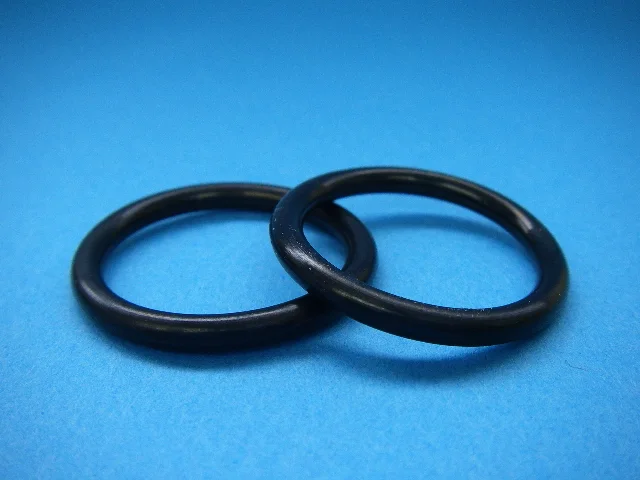
The attached image is a general reference photograph of an O-ring and does not represent the actual product, material grade, or applicable pressure of our company. The image is provided by Nagao and has been released into the public domain by the rights holder.
Prepare an enquiry