Troubleshooting Excavator Hydraulic Station Hose Leaks and Procurement Replacement Selection Guide
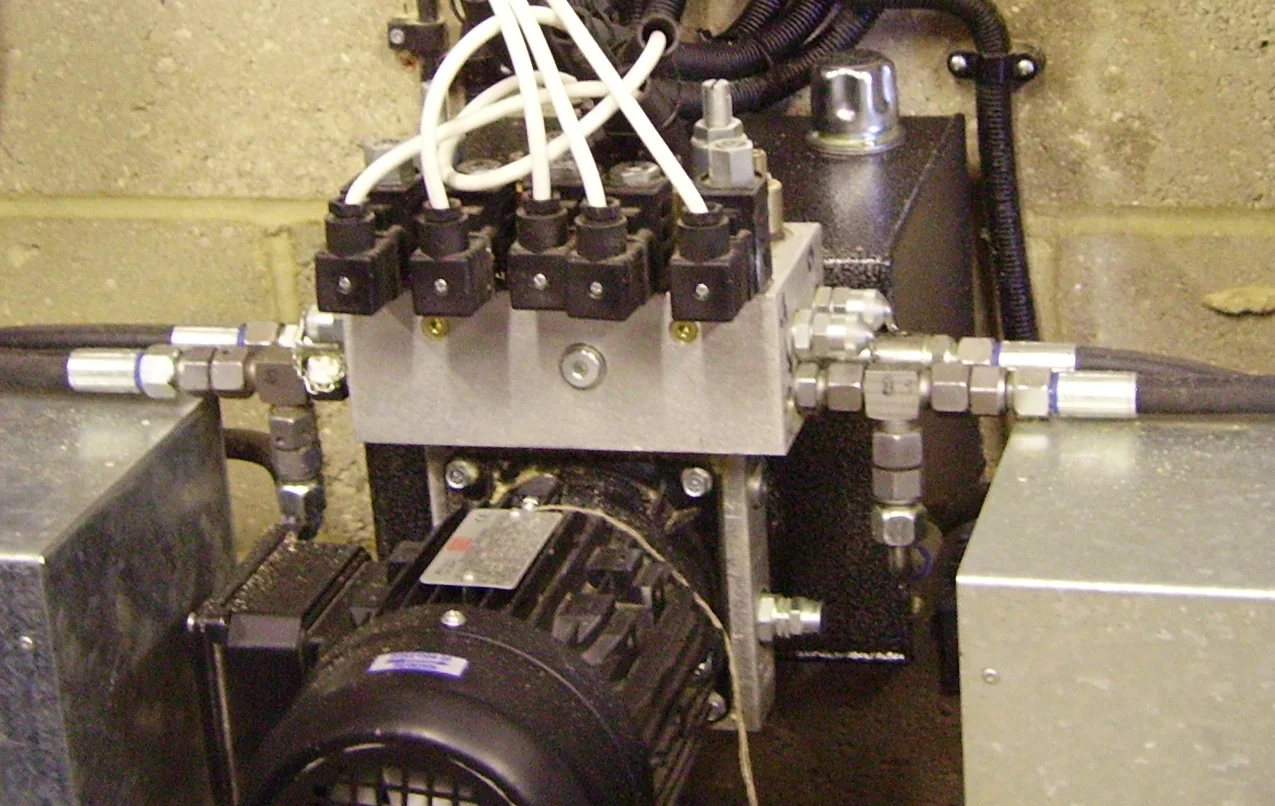
Common Cause Analysis of Hose Leaks in Excavator Hydraulic Stations
Excavators frequently withstand high-pressure impacts and intense vibrations during operation, making hose assemblies in their hydraulic systems vulnerable wear parts. Leakage or bursting of hydraulic station hoses not only causes hydraulic oil waste and environmental pollution, but may also lead to system pressure drops, affecting mechanical action response speed. Usually, the main causes of hydraulic hose leakage include the following aspects: first is physical wear, where hoses repeatedly rub against structural parts during the swinging of the robotic arm or vehicle body, causing outer rubber layer wear that exposes the reinforcement steel wire to rust and breakage; second is pulse fatigue, where transient high-pressure pulses generated by frequent directional changes in the hydraulic system exceed the rated working pressure of the hose; in addition, loose fitting crimps, aging seals, and localized bending and cracking due to insufficient bend radius during selection are also common leakage factors.
Daily Inspection and Preventive Maintenance Measures
To reduce equipment downtime risks, field operation and maintenance personnel should establish a regular inspection mechanism. During inspection, focus on observing whether the hose exterior shows bulges, cracks, oil seepage, or signs of rubbing against surrounding components. Especially in the fitting transition area, if minor oil stains are found, further check whether the fitting thread is loose or the rubber layer at the crimped portion has failed. It must be emphasized that when the hydraulic system is under high pressure, touching directly with hands to find leak points is strictly prohibited to prevent high-pressure oil jets from penetrating the skin and causing severe injury; tightening or disassembly troubleshooting should only be performed after the equipment is completely shut down and residual system pressure is released. For areas with frequent friction, spring protective sleeves or plastic spiral protective sleeves can be added to extend hose service life.
Selection Precautions During Replacement Procurement
When replacing a hose is confirmed, accurate selection is key to ensuring stable operation of the hydraulic system. Procurement personnel should combine excavator operating conditions with OEM specifications to properly select suitable hydraulic hoses, oil pipes, and fittings. First, confirm that the maximum working pressure of the hose matches the system peak pressure, typically choosing multi-layer steel wire spiral or braided hoses compliant with ISO or DIN standards; second is fluid compatibility and temperature range, ensuring the inner rubber layer has good corrosion and aging resistance against the hydraulic oil used; finally, geometric dimensions and bend radius—hoses that are too short cause tensile stress, while overly long ones easily swing and wear out, requiring accurate measurement of effective length and bending paths.
Replacement Part Procurement Inquiry Checklist
When issuing inquiries to suppliers, providing complete and accurate technical parameters can significantly improve procurement efficiency and avoid rework caused by misfitting. Please check the following information before inquiring: – Hose nominal diameter (such as DN10, DN12, DN19, etc.) and inner/outer diameter dimensions. – System rated working pressure and maximum pulse pressure requirements (such as in MPa or PSI units). – End fitting types on both ends (metric, British, or American threads), sealing methods (such as flat seal, cone seal, etc.), and elbow angles (right angle, 45 degrees, or 90 degrees). – Operating ambient temperature and working fluid type (such as standard mineral oil or fire-resistant hydraulic fluid). – Whether additional protective accessories such as anti-abrasion protective sleeves or guard springs are required. – Specific customized quantities, estimated delivery time, and delivery location.
Summary and Procurement Verification
Preventing leaks and replacing excavator hydraulic hoses is a systematic management task. Potential hazards can be detected early through standardized daily inspections, while purchasing replacements requires accurate verification of operating pressure, interface sizes, and protection requirements. Due to configuration differences among excavator brands and hydraulic pump stations, involving unknown facts such as specific custom specifications, interface thread standards, and bulk procurement logistics delivery schedules, technical verification should be conducted with professional suppliers before formal ordering to ensure correct selection and continuous efficient operation of the equipment.
Prepare an enquiry